Cosmic Rays / X-Ray / Nuclear Environments
From space mission probes to medical radiation equipment, from nuclear facilities to high-energy particle accelerators — radiation environments impose extreme demands on bearing lubricant stability, material integrity, and long-term reliability. myonic's ULQW 917 X bearing has served beyond design life aboard NASA's Curiosity Mars rover, representing the most compelling field validation of radiation-resistant bearing technology.
Critical challenges in radiation environments
Radiation not only affects the chemical structure of lubricants but also causes long-term cumulative damage to bearing material lattice integrity and cage mechanical properties.
Lubricant Radiolysis
High-energy radiation (cosmic rays, X-rays, neutrons) triggers radiolysis reactions in lubricating greases, leading to viscosity anomalies, volatile gas generation, and lubricant film failure. Standard mineral greases lose their lubricating function once the cumulative radiation dose exceeds a certain threshold.
Material Embrittlement & Lattice Damage
High-flux neutron irradiation and gamma ray exposure can cause displacement damage in bearing steel crystal lattices, leading to material hardening and embrittlement with reduced fatigue life. Material stability under long-term irradiation is a critical design metric for space and nuclear facility bearings.
EMI & Non-Magnetic Requirements
Radiation environments often simultaneously require non-magnetic designs to prevent bearing steel magnetization from interfering with sensitive instruments (such as magnetic field measurement equipment and MRI-related devices). Standard bearing steel is easily magnetized in strong magnetic fields, affecting system precision.
Cumulative Radiation Dose
Bearings in space missions and nuclear facilities must maintain performance under cumulative radiation doses spanning years to decades. Design must incorporate full process traceability and long-term material stability validation to ensure continuous reliable operation under maintenance-free conditions.
Purpose-engineered for radiation environments
myonic provides radiation-resistant bearing technology validated through real space missions, combining specialty lubricants, radiation-hardened materials, and full process traceability.
PFPE Perfluoropolyether Radiation-Resistant Lubrication System
Perfluoropolyether (PFPE) lubricants exhibit excellent chemical stability in radiation environments, with low outgassing characteristics that simultaneously meet the dual requirements of vacuum and radiation environments — widely used in space and nuclear facilities.
- PFPE lubricants: resistant to radiolysis, low outgassing
- MoS₂, WS₂ solid lubricants: high radiation stability, suitable for extreme temperatures
- PVD coatings (gold, silver, MoS₂): dry film lubrication for space vacuum environments
- Over 300 lubricant formulations, temperature range -270°C to +450°C
- Applicable scenarios: space probes, satellites, nuclear facility instruments
Radiation-Hardened Materials & Specialty Cages
Bearing steel alloys with high radiation stability are selected for radiation environments, paired with non-magnetic material designs and silicon nitride ceramic balls, ensuring mechanical integrity is maintained after accumulating high radiation doses.
- Radiation-hardened bearing steel alloys: reduced displacement damage risk
- Silicon nitride (Si₃N₄) ceramic balls: non-magnetic, radiation stable
- Non-magnetic stainless steel materials: preventing magnetization interference with sensitive instruments
- Full process traceability: compliant with space and defense radiation environment specifications
- Applicable scenarios: X-ray equipment, nuclear facilities, particle accelerators
Space-Grade Vacuum + Radiation Combined Solution
The space environment simultaneously combines radiation, high vacuum, and extreme temperature differentials as a triple challenge. The myonic ULQW 917 X bearing has been validated in real space environments aboard NASA's Curiosity and India's Mangalyaan Mars missions, serving beyond design life.
- myonic ULQW 917 X: NASA Curiosity mission flight model
- Vacuum-grade design: low outgassing, suitable for high vacuum environments
- Operating temperature range: -270°C to +450°C (depending on lubrication solution)
- Full process traceability meeting space mission quality requirements
- Applicable scenarios: planetary probes, low Earth orbit satellites, deep space missions
Real-world radiation-resistant bearing applications
The following showcases typical application scenarios and technical highlights of miniature bearings in space missions, medical radiation equipment, and nuclear facilities.
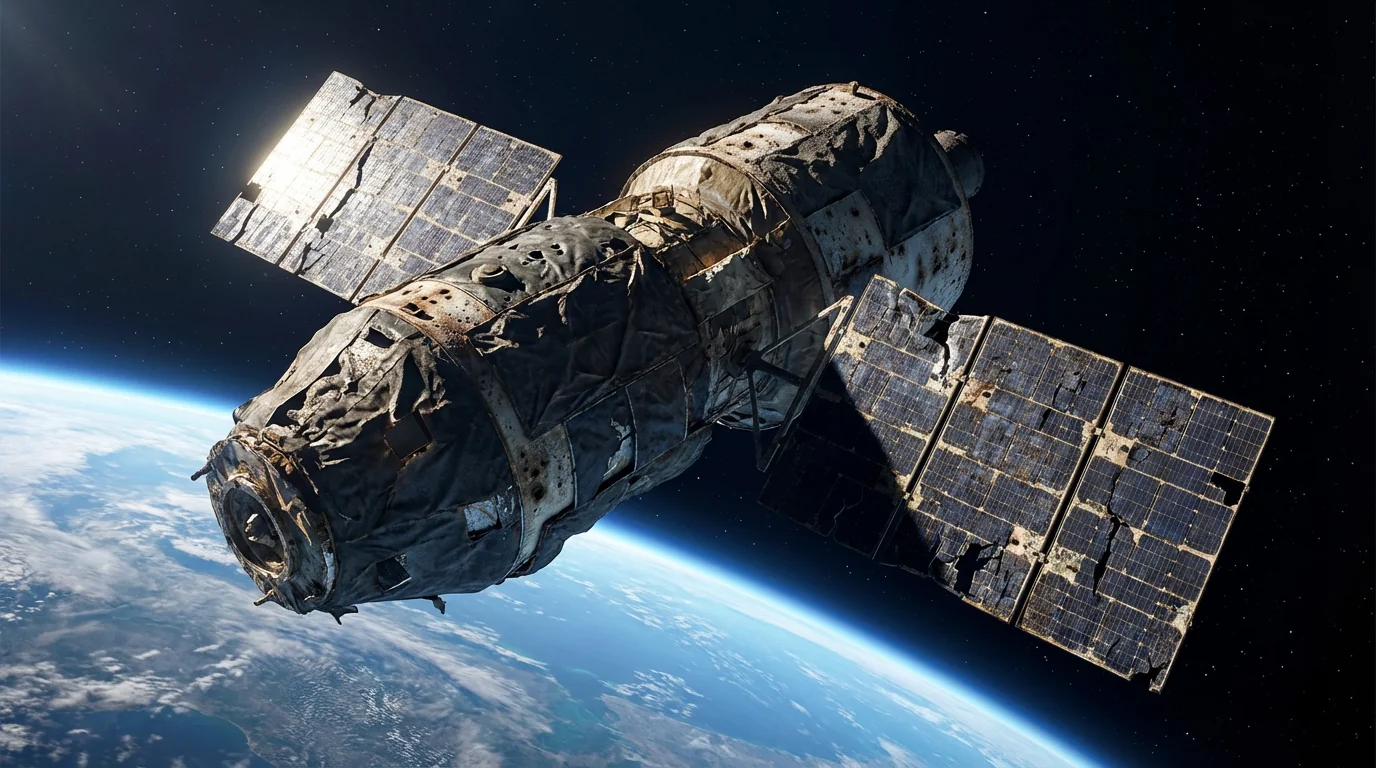

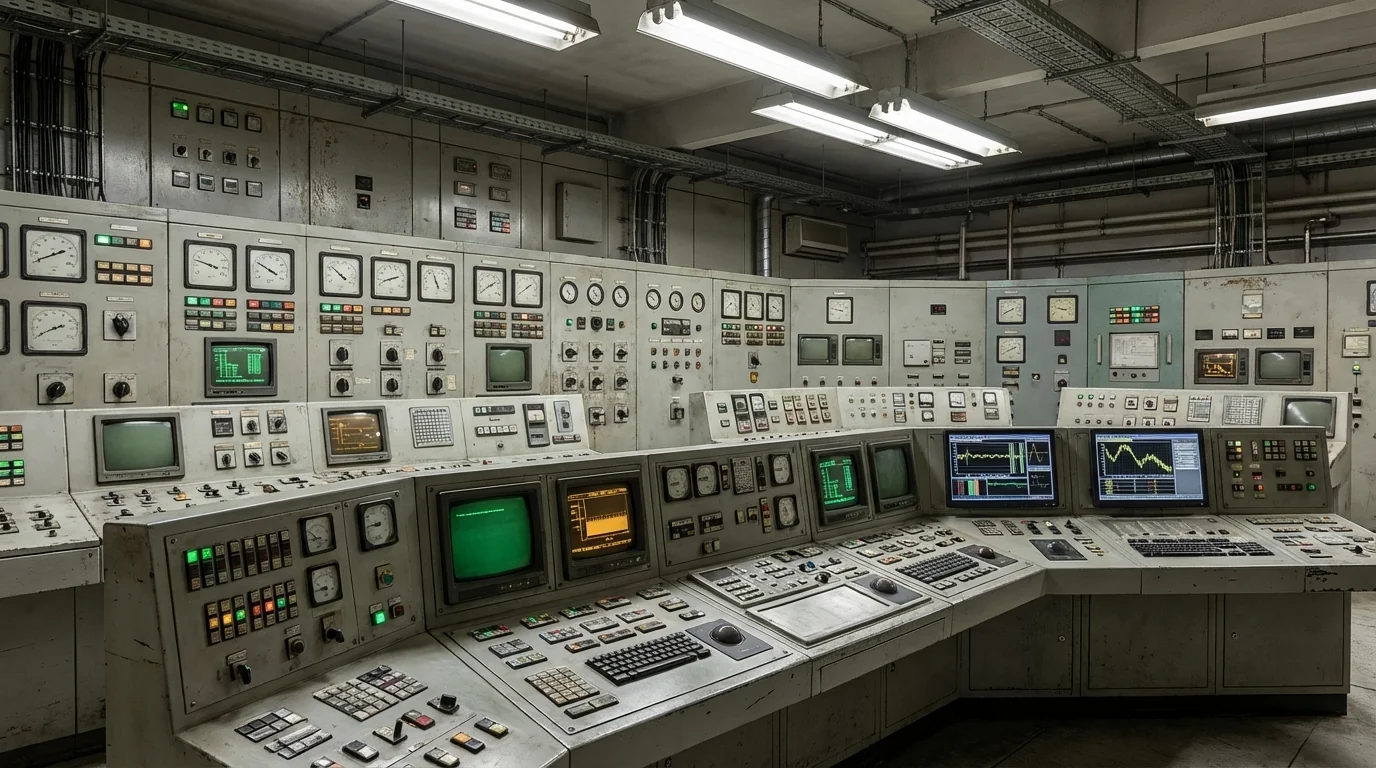
Some images on this page are AI-generated illustrations used where authentic photographs are not readily available. They are for visual reference only and do not represent actual product appearance or specifications.
Need a miniature bearing solution?
Our engineering team can help with selection and custom design