Vacuum Level 10⁻³ ~ 10⁻⁹ mbar
From semiconductor wafer fabrication to space satellites, from flywheel energy storage to analytical instruments — vacuum environments impose fundamentally different technical requirements on bearing outgassing control, lubricant volatility, heat dissipation design, and material cleanliness compared to atmospheric conditions. myonic offers silver, MoS₂, gold, and Teflon PVD coatings along with special low vapor pressure lubricants, providing complete solutions for medium to ultra-high vacuum (10⁻³ ~ 10⁻⁹ mbar).
Critical challenges in vacuum environments
Once in a vacuum environment, engineering solutions that work effectively at atmospheric pressure often fail entirely, requiring a complete redesign from materials to configuration.
Lubricant Evaporation & Contamination
Standard mineral greases and synthetic oils have excessively high vapor pressures in vacuum, continuously evaporating and forming oil vapor that contaminates the vacuum chamber. In semiconductor process chambers, oil deposits on wafer surfaces directly cause yield losses; in optical equipment, they contaminate mirrors and sensors. Extremely low vapor pressure PFPE greases or dry solid lubricant coatings are required.
No Convective Cooling
At atmospheric pressure, bearing friction heat can dissipate through air convection. In vacuum, convective heat transfer disappears, and heat can only escape through conduction and radiation, significantly raising bearing operating temperatures. Thermal balance must be recalculated for vacuum environments, using more heat-resistant lubrication solutions or improving thermal conductivity between bearings and mounting structures.
Outgassing
Materials continuously release adsorbed gas molecules in vacuum, affecting the base pressure of the vacuum chamber — particularly critical in ultra-high vacuum (below 10⁻⁷ mbar) applications. Cage polymer materials, residual solvents, and lubricants are all outgassing sources. myonic controls outgassing rates to acceptable levels through plasma cleaning, PVD coatings, and strict manufacturing cleanliness protocols.
Cold Welding
In ultra-high vacuum, the oxide film on metal surfaces disappears, and contact surfaces of identical metals can undergo cold welding (adhesion), causing bearings to seize. Solid lubricant coatings (MoS₂, silver, gold) form a separation film between balls and raceways, effectively preventing direct metal-to-metal contact and cold welding. Ceramic balls are also ideal for ultra-high vacuum applications as they inherently do not cold weld with metals.
Purpose-engineered for vacuum environments
myonic provides bearing configurations graded by vacuum level, with proven solutions from medium vacuum to ultra-high vacuum, and uses argon gas packaging to maintain factory cleanliness.
MoS₂ / Silver / Gold / Teflon PVD Solid Coating Bearings
myonic uses magnetron sputtering PVD technology to uniformly deposit MoS₂, silver (Ag), gold (Au), or Teflon coatings onto bearing rings and ball surfaces, preceded by plasma cleaning to ensure zero chemical residue — the standard solution for ultra-high vacuum applications.
- Applicable vacuum level: high vacuum to ultra-high vacuum (10⁻⁷ ~ 10⁻⁹ mbar)
- MoS₂ coating: low friction coefficient, stable across wide temperature range (-270°C ~ +450°C)
- Silver (Ag) coating: excellent thermal conductivity, doubles as emergency solid lubricant layer
- Gold (Au) coating: highest chemical inertness, suitable for corrosive gas environments
- Teflon (PTFE) coating: extremely low friction coefficient, self-lubricating
- Plasma cleaning pre-treatment: ensures coating adhesion and zero outgassing residue
Special Low Vapor Pressure Lubricant (PFPE)
PFPE (perfluoropolyether) grease has extremely low vapor pressure characteristics, with negligible volatilization in high vacuum environments (10⁻⁷ mbar level) — the standard grease choice for medium to high vacuum applications, enabling over 40,000 hours of continuous long-term operation.
- Applicable vacuum level: medium to high vacuum (10⁻³ ~ 10⁻⁷ mbar)
- Extremely low vapor pressure: minimized volatilization in vacuum, no chamber contamination
- Wide temperature range stability: usable from low to medium-high temperatures
- Continuous operating life: over 40,000 hours in medium vacuum
- Compatible with MoS₂ / silver coating hybrid application: balancing lubrication performance and ultra-high vacuum compatibility
Argon Gas Packaging & Cleanroom Manufacturing
myonic vacuum bearings complete final assembly and coating operations in cleanroom environments, using argon inert gas sealed packaging to ensure bearings remain free from atmospheric contamination from factory to installation, maintaining zero-residue coating surfaces.
- Argon sealed packaging: prevents coating oxidation and atmospheric contaminant adsorption
- Cleanroom assembly: reduces particle contamination risk, meets semiconductor process requirements
- Full process traceability: meets aerospace and semiconductor quality requirements
- Stainless steel or hybrid ceramic bearings: cleanroom-compatible design
Real-world vacuum bearing applications
The following showcases typical scenarios and technical highlights of miniature bearings in vacuum applications across industries.
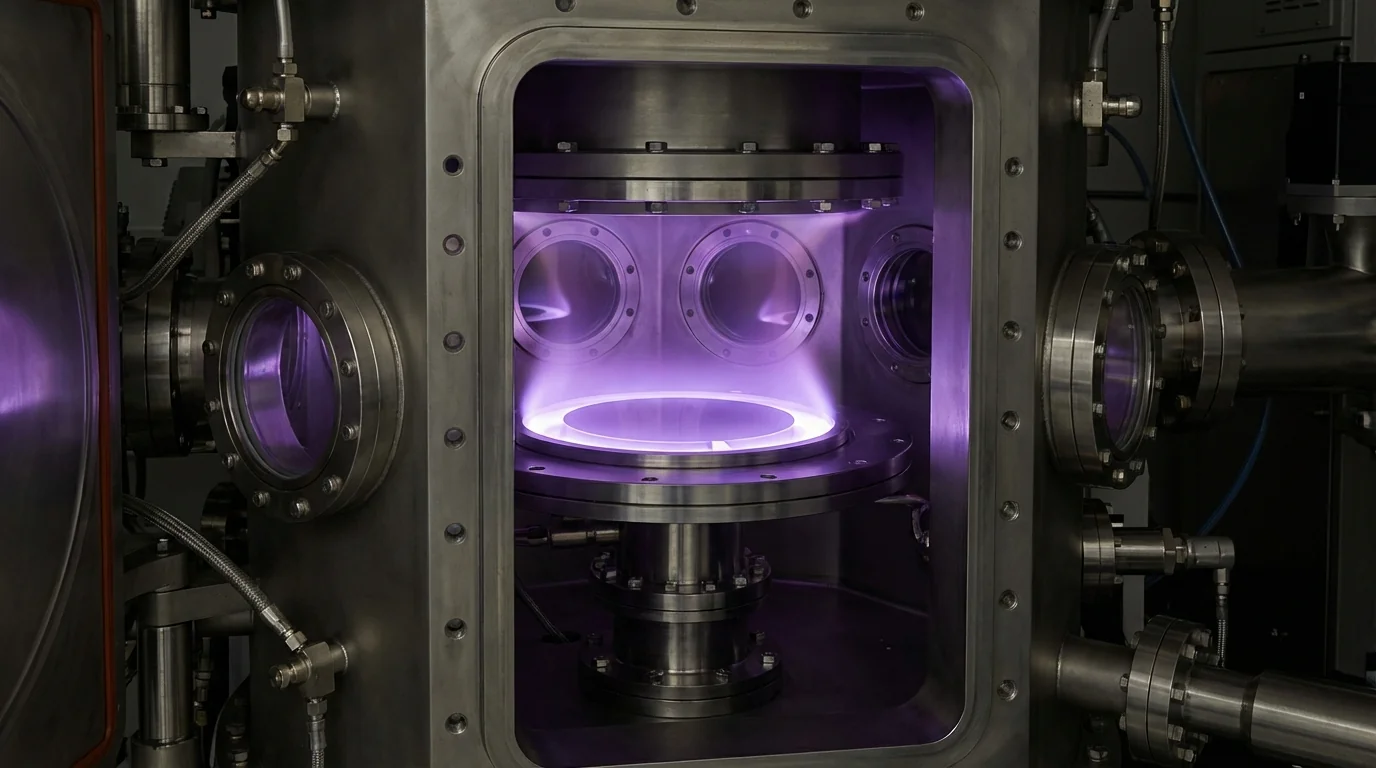
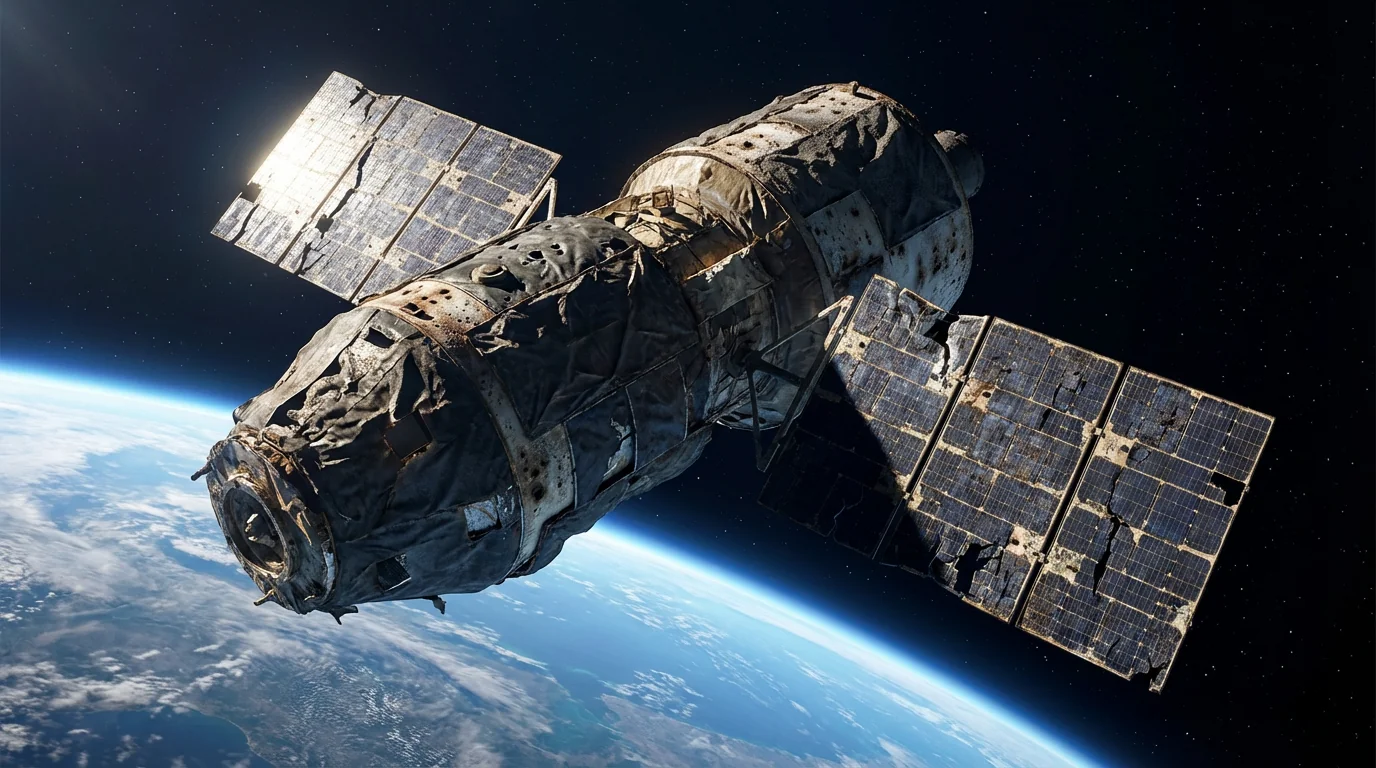
Some images on this page are AI-generated illustrations used where authentic photographs are not readily available. They are for visual reference only and do not represent actual product appearance or specifications.
Need a miniature bearing solution?
Our engineering team can help with selection and custom design