Robotics & Automation
Miniature Bearing Applications
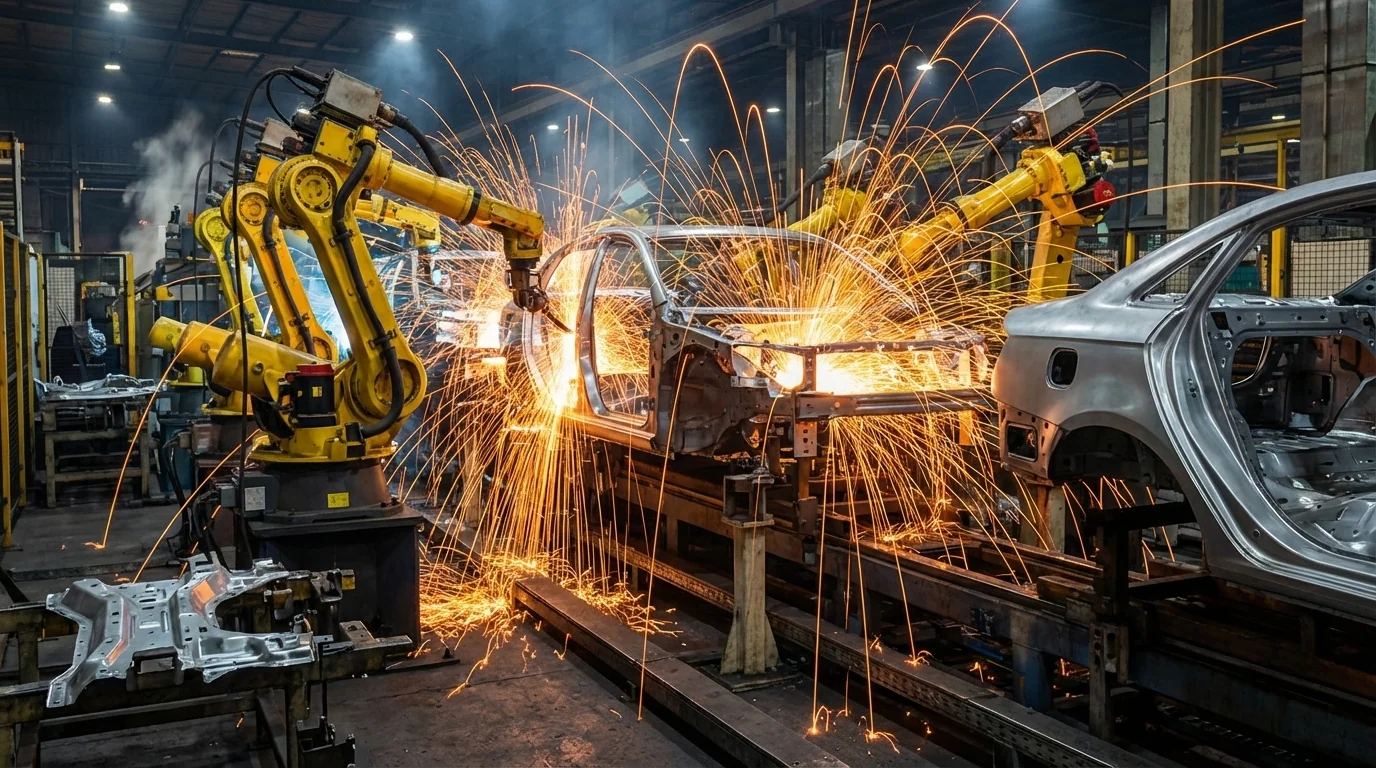
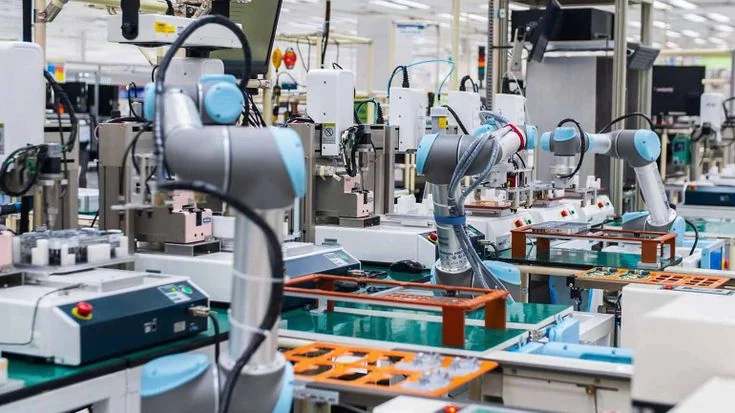
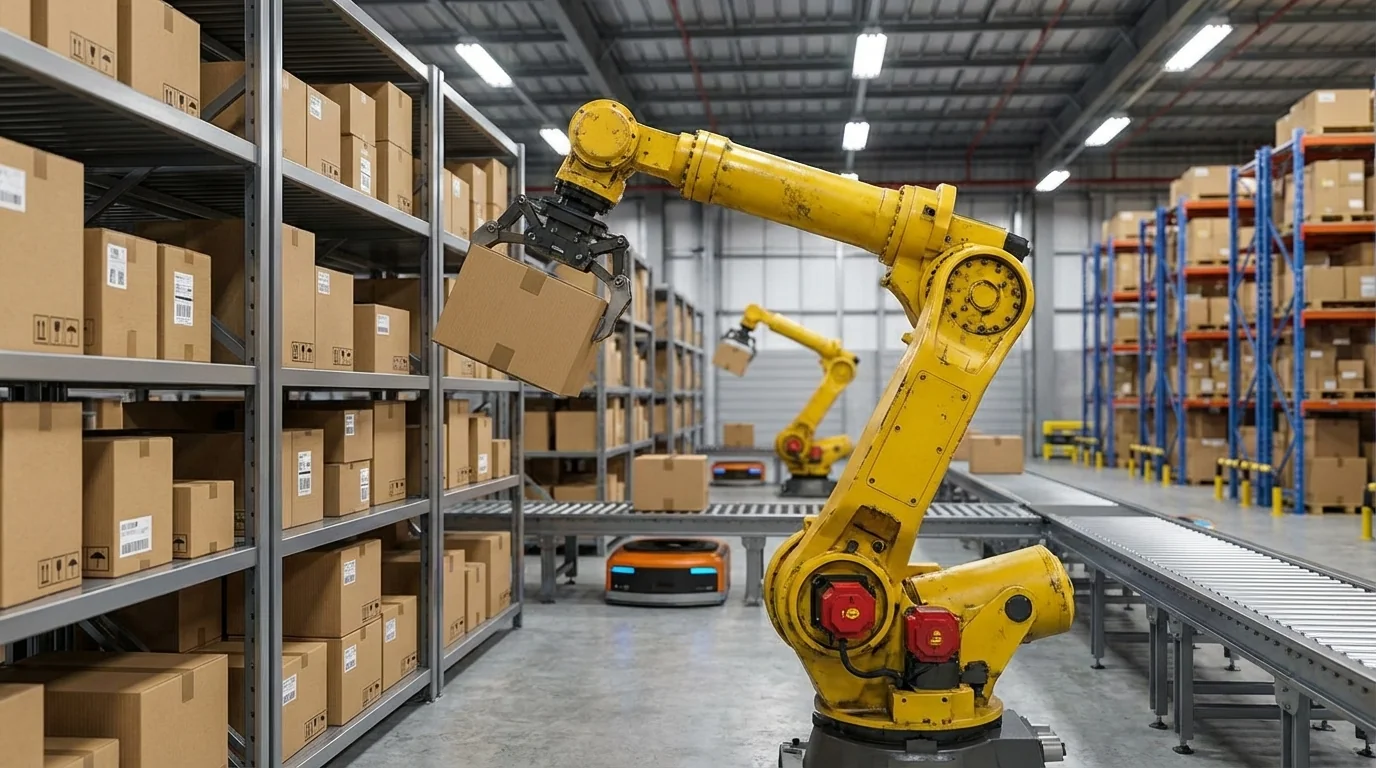
Industrial robot arms execute tens of thousands of high-speed cycles daily, cobot joints require precise low-noise motion in compact spaces, warehouse automation systems run 24/7, and each humanoid robot carries 40+ bearings. The performance of precision miniature bearings directly determines robot system positioning accuracy, operational efficiency, and service life.
Bearing challenges in robotics & automation
Robot bearings seek the optimal balance between precise motion control, high-cycle durability, and space minimization.
Low Noise & Vibration
Industrial robot and cobot path accuracy is directly affected by bearing vibration. Low NRRO ensures robot repeatability; low torque and friction enable more precise and responsive joint servo control.
Long Life & Durability
Warehouse automation robots run year-round, and industrial robot arms execute tens of thousands of cycles daily. Fatigue life under high cycle counts, PTFE seal contamination prevention, and correct lubrication volume control are key factors for extending bearing life.
Ultra-Compact
Cobot compact joint designs require the smallest possible bearing cross-section. Thin-section bearings (constant cross-section design) maintain fixed section height regardless of bore diameter, saving joint space while maintaining high rigidity and load capacity.
Environmental Compatibility
Semiconductor manufacturing robots need cleanroom compatibility (low particle emission); food packaging robots need NSF certified materials; medical robots need biocompatible materials. 440C stainless steel and full ceramic solutions meet various demanding environment requirements.
Precision bearing solutions for robotics
myonic provides customized solutions based on specific load, speed, and life requirements of robot joints, from standard miniature ball bearings to thin-section designs, covering the full application range from industrial robots to surgical robots.
Thin-Section Bearings
Thin-section bearings (constant cross-section design) are optimized for robot arm joints, maintaining fixed section height regardless of bore diameter, significantly saving joint installation space and reducing system weight while providing high-rigidity support.
- Constant cross-section design — section height stays constant as bore increases
- Low-mass design directly reducing robot arm inertia load
- High-rigidity angular contact configuration improving positioning accuracy and repeatability
- 440C stainless steel option for corrosive or clean environments
- Custom geometry dimensions to match various robot joint designs
Miniature Precision Ball Bearings
Precision miniature deep groove ball bearings for cobots, SCARA robots, and micro automation equipment, providing ultra-low friction, low-noise precise rotary motion in compact dimensions, with full customization options based on load, speed, and life requirements.
- Ultra-low and uniform torque ensuring servo control precision
- High precision grade (ABEC 5/7), low NRRO non-repetitive run-out
- Hybrid ceramic ball option for vacuum, high-speed, or electrical insulation needs
- Lifetime lubrication design reducing maintenance needs and downtime costs
- Optimized custom solutions based on speed/load/life combinations
Humanoid Robot Joint Bearings
Each humanoid robot carries 40+ bearings, with micro ball bearings for finger/wrist joints and high-load designs for hip/knee joints precisely matching each joint's mechanical requirements. myonic miniature bearings cover the complete bearing solution for humanoid robot joints.
- Fingers/palm: 1-3 mm bore micro deep groove ball bearings for dexterous grasping
- Wrist/elbow: thin-section design, high rigidity + compact space
- Neck/ankle: miniature thrust bearings for rotational axial forces
- Simultaneously addressing three pain points: low noise + long life + miniaturization
- MinebeaMitsumi Group high-volume supply capability supporting scale production
Real-world robotics bearing applications
The following showcases typical application scenarios and technical highlights of miniature bearings in robotics and automation technology.

Explore more miniature bearing applications
Some images on this page are AI-generated illustrations used where authentic photographs are not readily available. They are for visual reference only and do not represent actual product appearance or specifications.
Need a miniature bearing solution?
Our application engineering team is ready to provide technical consultation and product selection guidance